Prevent Golf Injuries With Clinical Massage

Clinical And Corrective Massage Techniques Can Help To Identify And Prevent Golf Injuries Before They Happen.

The difference between a professional PGA golfer and a social golfer is that a PGA golfer knows the importance of being in top shape. A social golfer has a lesser tendency to properly train golf specific muscles or stretch to warm-up muscles, all of which are very important in order to prevent golf injuries. And regular corrective massage sessions can help you find, your perfect golf swing.

Poor Posture

Good posture is important for golf performance. It reduces risk of elbow injuries and helps to maintain good spinal position throughout the golf swing and helps to reduce elbow pain and tendonitis. However, most of us do not have an ideal posture. This is because most of us have a predominantly sedentary lifestyle and poor workout programs that do not address muscular imbalances.

Most likely you will have muscle imbalances especially if your job requires you to sit in a office all day working from a computer. This will limit your golf swing form and increase your chances of getting an injury. Without proper posture, you will have faulty movement patterns and you will not be utilizing your core musculature.

And you will lack stability. A quote that we use in the fitness industry states, “you cannot fire a canon from a canoe”! When your hips, hamstrings, glutes, psoas, low back and shoulder muscles are tight this causes muscle imbalances. And when key muscle groups are tight, your stability will be where ever your body can get it from and it will be most likely at the sight where you have muscle pain. Asymmetries (left to right and front to back) muscle tightness is the #2, cause of injury. Previous injury is #1 reason why.

Here are some of the most common areas of injuries for golf players:

  • low back
  • wrist
  • elbow
  • shoulder

Golf Swing Injuries and Muscle Spasms

Because of the force used in a golf swing and the repetitions that a golfer swings his clubs, muscle spasm are very common and are indicators that something is wrong. If you’ve ever had muscle spasms or muscle cramps, you know they can be extremely painful. In some cases, a muscle may spasm so forcefully that it results in a bruise on the skin. Most muscle spasms and cramps are involuntary contractions of a muscle.

A serious muscle spasm doesn’t release on its own and requires manual stretching or massage to help relax and lengthen the shortened contracted muscle. And you may need a professional’s insight to dig a little deeper to find the source of why you are experiencing muscle spasms, pain or decreased range of motion to begin. You may have limited or restricted movement in a joint below or above the sight of the injury or you may be over-training and/or you have a inadequate conditioning golf program, if any at all. Our therapists can help you identify these problems and may make recommendations for exercises or stretches for you to correct it.

The golf swing is a stressful, forceful, repetitive motion that can erode the muscles in the rotator cuff. This can result in muscle soreness and reduced joint mobility. The rotator cuff is designed to provide dynamic stability to the shoulder joint during basic movements. For example, during the follow through of a golf swing, when arm muscles are activated, the rotator cuff is triggered to keep muscles and bones in proper alignment for the swing.

When the end of the shoulder blade and upper arm impinge the rotator cuff, it can cause sharp pain. If left untreated, the injury can lead to continued inflammation and/or tearing of the rotator cuff. The shoulder joint is very mobile, but not very stable. Proper muscle activation of your rotator cuff is essential for stability and preventing injury. Golfer’s elbow is another common injury.

Corrective Massage Techniques

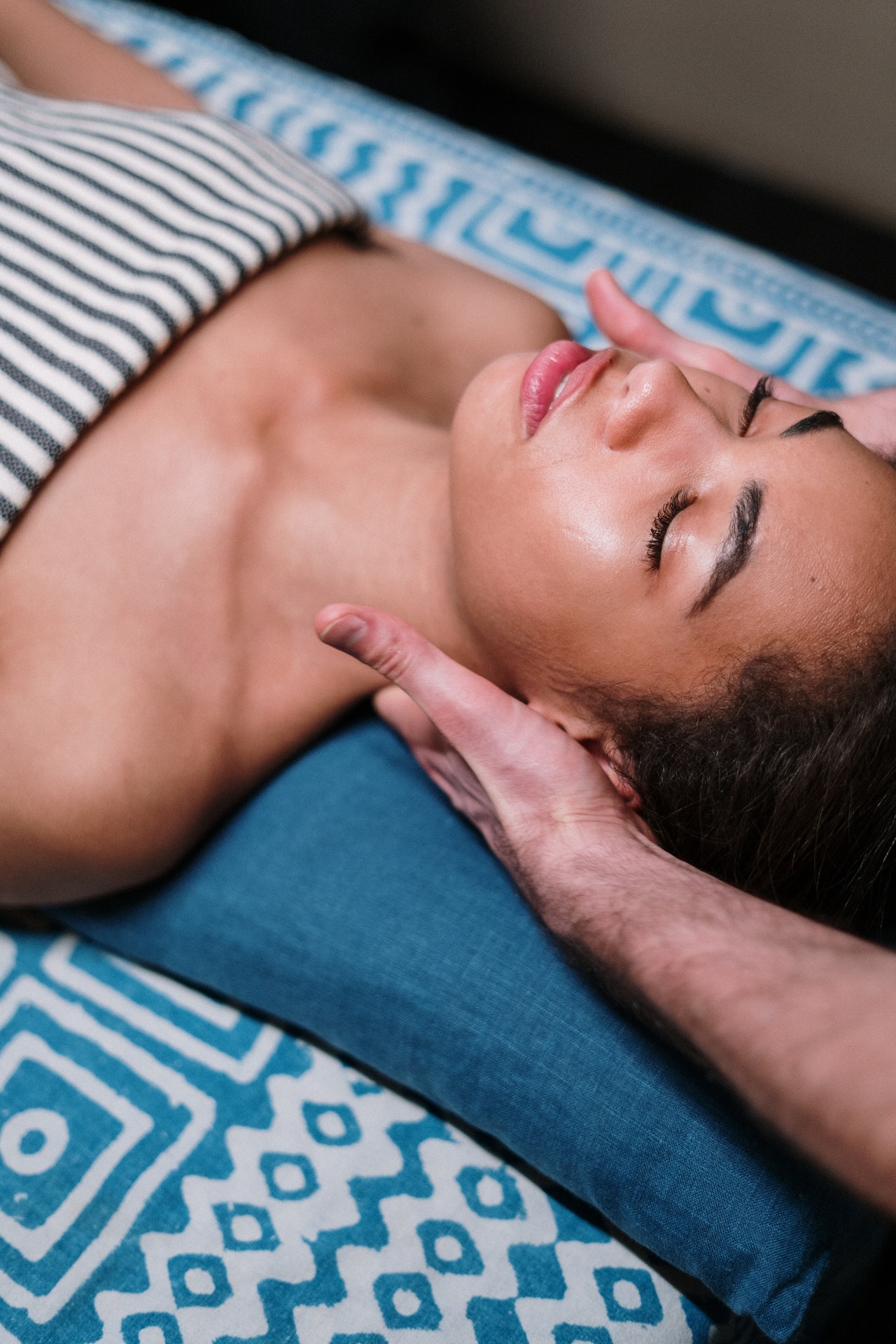
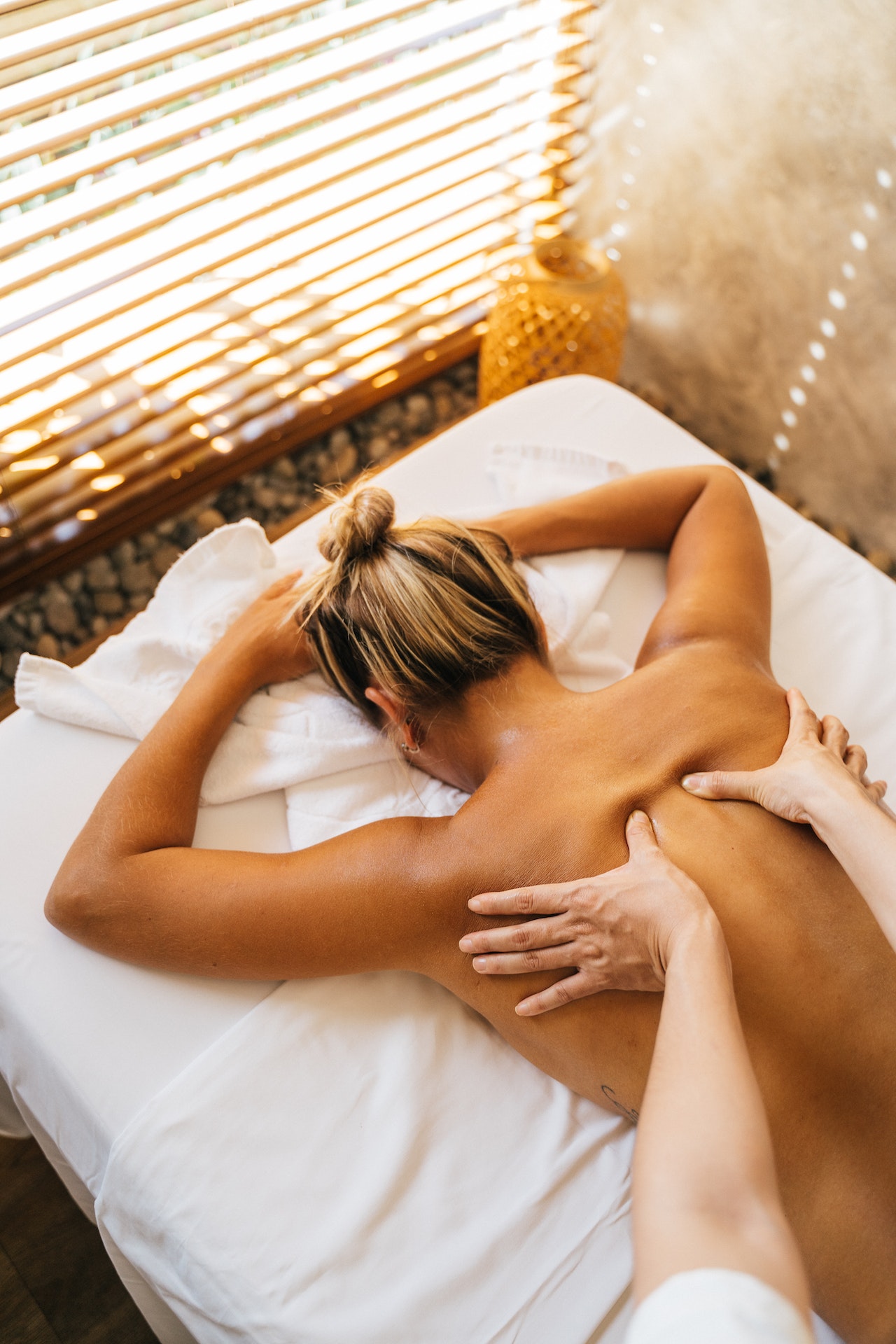
At the core of corrective or restorative massage is Myofascial Release, this technique is design to prevent muscle injury, pain and muscle spasms that are caused by poor postures, repetitive and overuse type activities (such as golf). Each Myofascial Release session is performed directly on skin without oils, creams or machinery. This enables the therapist to accurately detect fascial restrictions and apply the appropriate amount of sustained pressure to facilitate release of the fascia.

Fascia is the connective tissue that holds and binds everything in the body. The fascia surrounds every muscle, bone, nerve, blood vessel and organ in the body, all the way down to the cellular level. Restricted or immovable fascia can cause muscle problems, pain and dysfunctional movements to show up anywhere in the body. For instance a tight calf muscle can affect, your low back and shoulders. So you may come in complaining of a shoulder pain and we may work on your lower legs first.

Corrective massage is designed to restore balance to your body. It approaches pain and dysfunction from a regional or global perspective not just local (area of pain). The result of poor posture and weakness in specific muscles predisposes one to injury in certain regions of our body, such as wrist, elbow, shoulders and back. If you have any nagging pain or aches during or after a golf game, you should have one of our professional therapists evaluate you. Lack of flexibility is the greatest limitation most golfers face and is one of the major causes of golf injuries.

Roman Paradigm Massage & Therapy

We apply specific massage techniques that includes stretching, corrective exercises or movement therapy to increase flexibility and stability with the goal to improve your golf swing and to prevent injuries. You cannot play your best with pain and dysfunction nor can you play at all when you have injuries.

Book your massage online today, we can help you eliminate….

  • Golf related low back pain, golfer’s elbow, or shoulder pain. (breaking up muscle adhesions)
  • Increase your distance and consistency. (full range of motion means more available power and control)
  • Reduce the likelihood of a golf injury. (correct muscle imbalances and asymmetries)
  • Identify potential areas of concern. (looking for muscle tightness or weakness)


Share

Trackbacks

  1. [...] not as much. Most golf and tennis elbow, wrist injuries and back injuries can be prevented with corrective massage techniques, proper rest, stretching and some strength training focusing on the trunk and abdominal [...]

Speak Your Mind

*